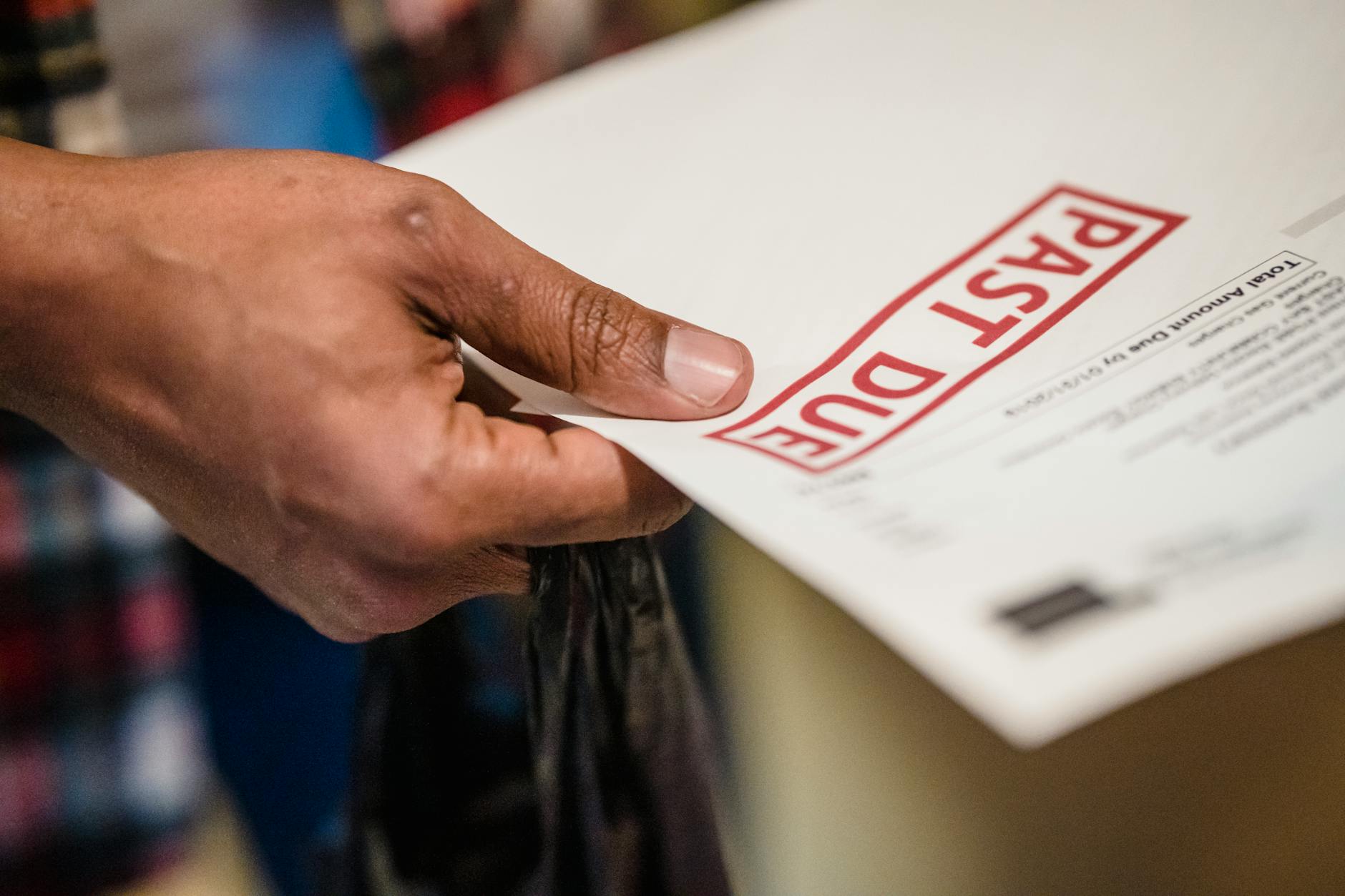
City Power Billing Errors Are More Common Than You Think
If your business operates in Johannesburg and is billed by City Power, you're navigating one of South Africa's most complex municipal billing environments. City Power serves hundreds of thousands of commercial and industrial customers — and with that scale comes systematic billing complexity, regular tariff transitions, and errors that can stay on an account for months or years.
This guide walks you through how to identify potential billing errors on a City Power account, what documentation you need, and how to raise a formal dispute.
Step 1: Understand Your City Power Tariff
City Power operates multiple tariff categories. The most common for commercial and industrial customers include Business tariffs (small commercial), General Purpose (GP) tariffs (medium commercial), Large Power User (LPU) tariffs (high-demand industrial), and Time-of-Use (TOU) tariffs (peak/standard/off-peak billing).
Your first check: are you on the correct tariff for your supply voltage, connection size, and consumption profile? City Power's tariff schedule is published annually. The wrong tariff category — even if you've been on it for years — is a legitimate grounds for dispute and credit recovery.
Step 2: Pull Three to Six Months of Bills
Billing errors rarely appear on a single invoice. They're usually systematic — the same error appearing every month. Pulling three to six months of invoices gives you enough data to identify patterns.
Look for month-on-month anomalies (sudden spikes in a line item that don't correspond to operational changes), missing meter readings (bills calculated on estimated rather than actual data), retroactive adjustments (large credits or debits on a single bill — which may themselves be incorrectly calculated), and duplicate charges (the same service fee appearing more than once).
Step 3: Reconcile Your Bill Against Meter Data
City Power customers can request meter interval data through the City Power Business Centre. This data shows your actual consumption and demand readings in 30-minute intervals throughout the billing period.
Compare this against what appears on your invoice: Does the total kWh consumption match the sum of your interval readings? Does the maximum demand (kVA or kW) match the highest 30-minute average in your interval data? Are the readings from the correct billing period, or has there been a date alignment error?
Discrepancies between meter data and billed quantities are the most direct evidence of a billing error.
Step 4: Check Tariff Rate Application
City Power's tariff rates change every July, aligned with NERSA approvals. After each tariff increase, billing systems need to be updated. In practice, this doesn't always happen cleanly — old rates sometimes persist in the system for one or more billing cycles after the transition date.
Download City Power's published tariff schedule for the current financial year and compare the per-unit rates on your bill against the published schedule. If the rates don't match — even slightly — you have a discrepancy worth investigating.
Step 5: Raise a Formal Dispute
City Power's billing dispute process typically requires a written dispute letter addressing the specific error (not a general complaint), copies of the invoices in question, supporting evidence — meter data, tariff schedule comparisons, or previous correspondence — and your account number and customer reference.
Submit to City Power's Business Centre in writing. Follow up in writing. Keep records of all correspondence with reference numbers and dates. Verbal interactions rarely produce documented outcomes in municipal dispute processes.
Response timelines vary significantly — allow 30 to 90 days for a formal resolution. If the dispute is not resolved within this window, escalate to City Power's senior complaints team or the Municipal Ombudsman.
The Catch: This Process Takes Time and Expertise
Reconciling City Power bills against meter data, interpreting tariff schedules, and drafting a technically correct dispute letter requires expertise most finance teams don't have in-house. The process is also time-consuming — and the municipality is under no obligation to resolve quickly.
Automated billing verification platforms can do this analysis continuously, flagging discrepancies as they occur and maintaining the documentation trail needed to support a dispute — without the manual effort.
Gallery