City Power supplies electricity to Johannesburg's commercial and industrial customers — and like every South African municipality, its billing system is complex enough that errors are common, and the process for disputing them is rarely straightforward. If your business is on a City Power supply, here's a practical guide to identifying errors on your account and initiating a formal dispute.
Step 1: Understand Your Tariff Category
City Power's commercial and industrial tariffs are based on Eskom's bulk supply tariff structure. The most common categories for business customers are:
Commercial (Low Voltage): For customers supplied at 400V with demand typically below 25 kVA. Billed on a two-part tariff with a fixed service charge and an energy charge.
Large Power Users (High Voltage): For customers supplied at 11kV or higher. Billed on a multi-part tariff including maximum demand, active energy, reactive energy, and network access charges.
Time-of-Use (TOU): Available to customers who can shift load away from peak periods. Billed at different rates for peak, standard, and off-peak times — with significant savings possible for businesses with flexible load profiles.
Your current tariff category should appear on your invoice. Verify that it matches your actual supply type by checking your electrical infrastructure documents or asking your electrical contractor.
Step 2: Cross-Reference the Applied Rates
City Power publishes its approved tariff schedule each financial year. The schedule lists the exact cents-per-kWh rates, demand charge rates (in rands per kVA), and fixed charges for each tariff category.
Compare the rates on your invoice against the published schedule for the same period. Pay particular attention to:
- The energy rate in cents/kWh (and whether TOU customers are correctly billed at peak/standard/off-peak rates)
- The demand charge rate in R/kVA
- The network access charge (fixed monthly amount based on NMD)
- VAT at 15%, applied to the total
If any rate differs from the published schedule, that's a billing error worth investigating.
Step 3: Check Your Meter Readings
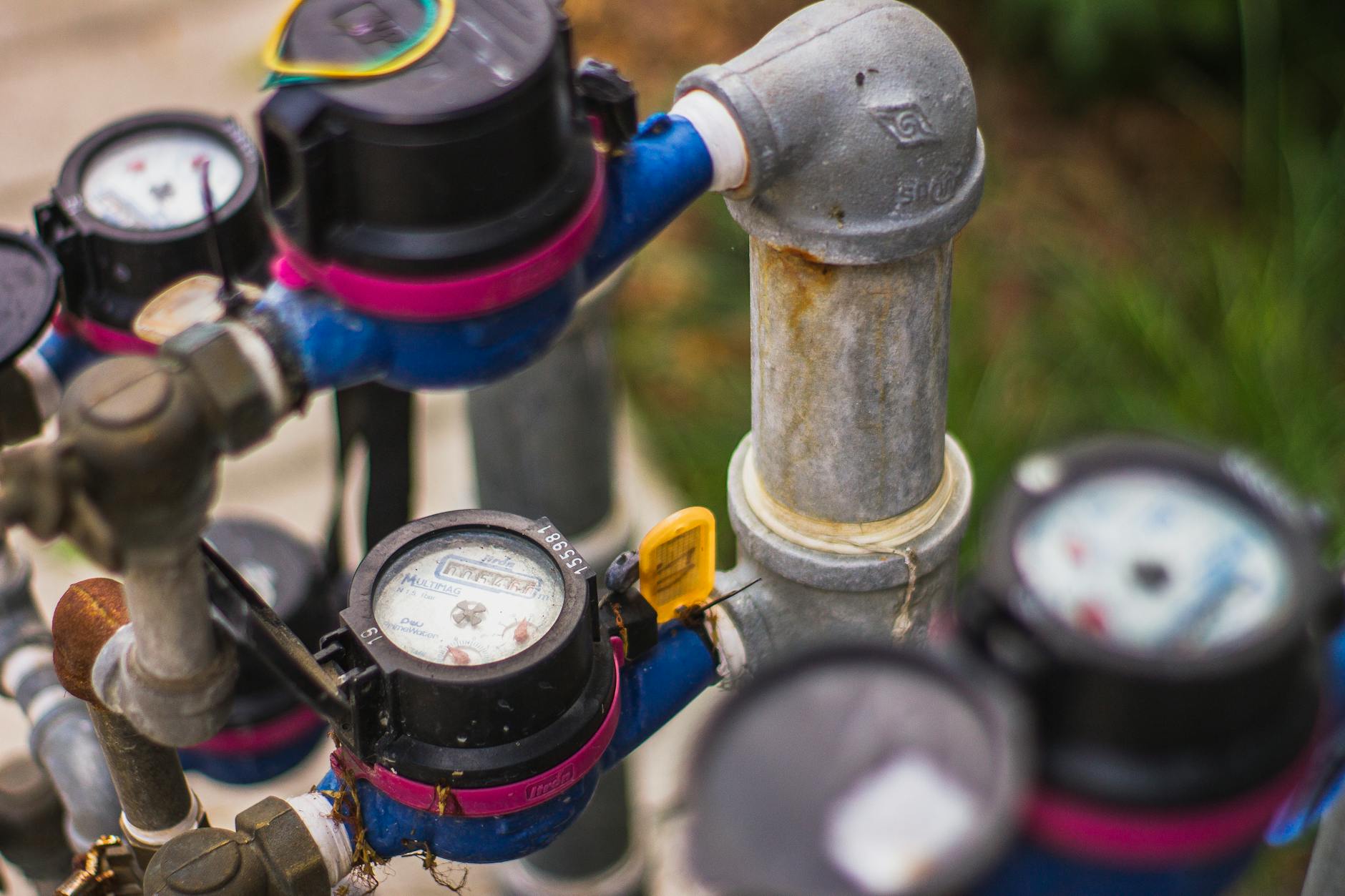
City Power uses a combination of manual meter readings and automatic meter reading (AMR) systems. Errors occur when:
Estimated readings are used: When a meter cannot be read, City Power estimates consumption based on historical usage. If your actual usage during that period differed significantly — due to a shutdown or equipment upgrade — the estimate may substantially overstate actual consumption.
Catch-up billing follows an estimated period: When the actual reading is finally taken after a period of estimates, the catch-up bill can be large — and is sometimes calculated at incorrect rates.
Demand readings are anomalously high: Cross-reference your recorded maximum demand against your known operational profile. A single month where recorded demand is 40–50% higher than every other month warrants investigation.
Step 4: Initiate a Formal Query
To initiate a billing dispute with City Power:
- Compile your evidence: the specific invoice(s) in question, the published tariff schedule for the relevant period, and your analysis showing the discrepancy.
- Submit a written query via City Power's customer portal or in writing to your account manager. Reference the specific line items you're disputing and the amounts involved.
- Request that the disputed amount be placed in suspense — meaning you pay the undisputed portion while the query is investigated — to avoid disconnection risk.
- Follow up in writing at 30-day intervals if you don't receive a substantive response.
Step 5: If You Find an Error, Expect a Credit
If your dispute is upheld, City Power will issue a credit on your account for the overcharged amount. Depending on the scale and period involved, this can be substantial — credits in the tens of thousands of rands are not uncommon for larger commercial accounts where systematic errors have been in place for months.
The catch is that municipalities are not obliged to proactively investigate their own errors. The responsibility for identifying and disputing a billing error lies with the customer.
Where to Start
Among the 1,832 billing errors identified on South African business accounts reviewed to date, City Power accounts are consistently represented. The errors are real, the disputes are winnable, and the credits are material.
If you suspect your City Power account has been incorrectly billed but aren't sure where the error lies, start with a rate check. OptiRate's Rate Calculator verifies the rates applied on your most recent invoice against the current tariff schedule — and flags any discrepancies that warrant a formal dispute.
Check your City Power account rates with the free Rate Calculator →
Gallery