When we say South African businesses are being systematically overcharged on their utility bills, we're not speculating. We're reporting what 6,859 account reviews have actually found.
1,832 billing errors identified. An average saving of 19% per client. These are the live figures from the OptiRate platform — and they represent real rand amounts recovered for real South African businesses.
Here's what the platform actually does, and why the results compound over time.
The Core: Electricity Bill Verification
Every OptiRate engagement starts with electricity — the largest and most complex utility account most businesses hold. Our verification process covers:
Tariff category validation: Confirming that the tariff applied matches your supply type, voltage level, and demand profile. Incorrect tariff categories are the single largest source of systematic overcharging on commercial electricity accounts.
Rate verification: Cross-referencing every line item rate on your invoice against the published Eskom tariff schedule for your municipality and billing period. This catches rate update failures, which are common in the months following a July tariff change.
Demand reading analysis: Reviewing your maximum demand readings over the past 12–24 months to identify anomalous spikes, assess whether your Notified Maximum Demand is correctly set, and evaluate whether Time-of-Use tariff switching would reduce your overall electricity cost.
Power factor assessment: For LV and HV commercial customers, analysing your reactive energy readings to determine whether power factor penalties are being applied correctly — and whether power factor correction investment would yield a positive return.
Metering Verification: The Invisible Layer
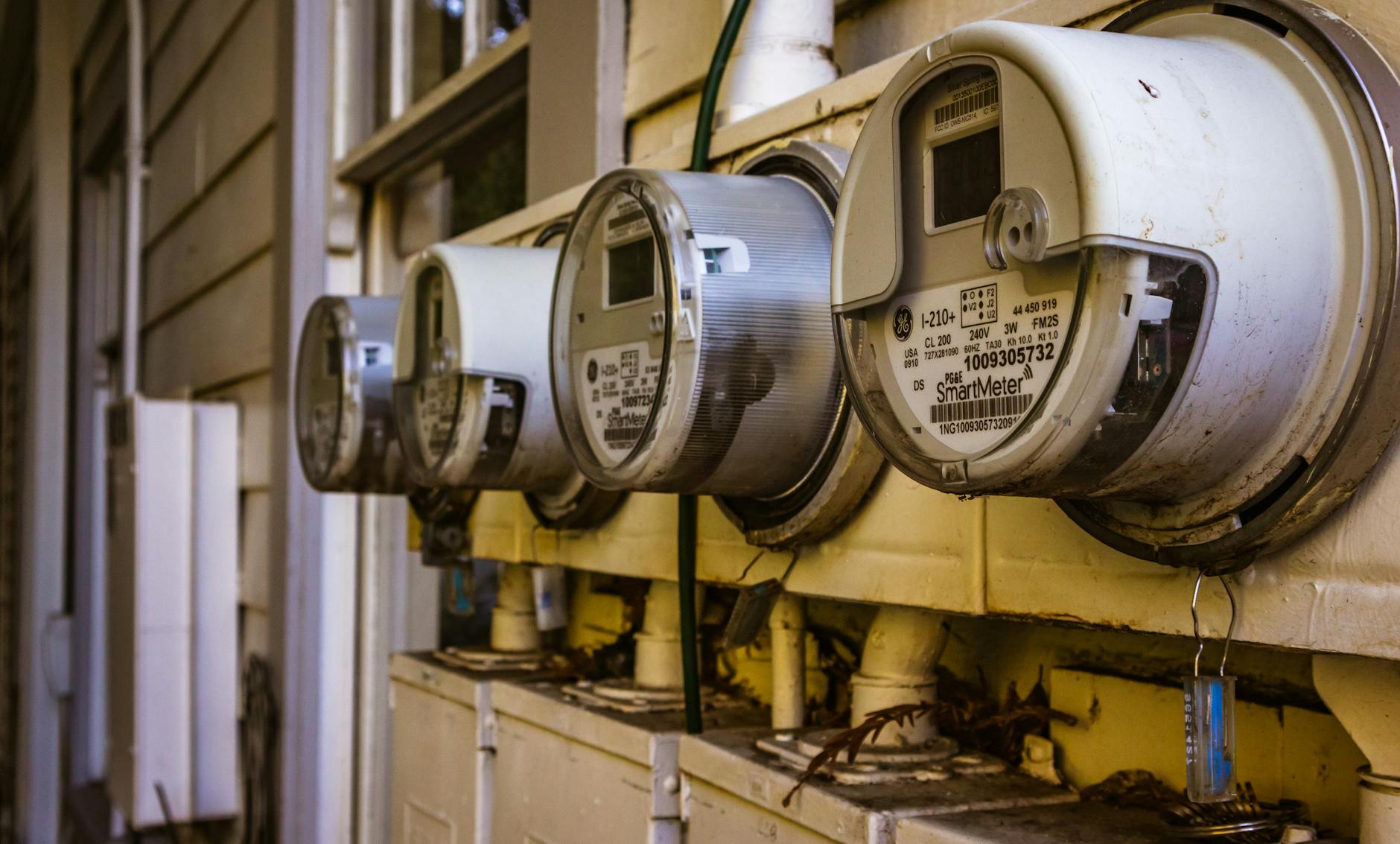
Meter accuracy is assumed, never verified — until something goes visibly wrong. But metering errors are more common than most businesses expect, and they're rarely in the customer's favour.
OptiRate's metering verification process cross-references your billed consumption against your operational data, flags consumption patterns inconsistent with your known production profile, and — where smart meters or sub-metering data is available — validates municipality readings against independent data sources.
For businesses with smart meter integration, this verification happens automatically every billing cycle. Discrepancies between your smart meter records and your municipal invoice trigger an automatic alert before payment is approved.
Solar Analysis: Are Your PV Benefits Being Correctly Applied?
For businesses with rooftop solar PV systems, the billing picture becomes more complex — and the error risk increases. Municipal billing systems were not designed for customers who generate their own power, and the rules around feed-in credits, net metering, and wheeling arrangements are inconsistently applied.
OptiRate's solar analysis module verifies that your generation data is being correctly applied to your municipal account — that credits are being calculated at the right rate, that feed-in readings are being recorded accurately, and that your system's output is consistent with design specifications. Discrepancies between what your inverters report and what your municipality credits are among the most financially significant errors we identify.
Water and Property Rates: The Accounts Nobody Checks
Once electricity is under control, OptiRate extends verification to your water and sewerage accounts and your property rates assessment. Both are subject to tariff structures and administrative processes that generate their own error patterns — and both receive far less scrutiny from most finance teams.
For multi-site businesses, water billing verification alone often uncovers credits that are material. Municipal water tariffs are tiered, assessment periods vary, and meter reading accuracy for water meters is significantly lower than for electricity.
The Platform in Practice
OptiRate runs as a continuous service, not a once-off project. Every billing cycle, your accounts are loaded, verified, and reconciled against the applicable tariff schedules. Exceptions are escalated with supporting documentation. Disputes are tracked through to resolution.
The 19% average client saving is not a one-time recovery. It's the ongoing difference between what businesses were paying before OptiRate and what they pay — correctly — after.
Get your Savings Score — see what OptiRate's full platform could find on your accounts →
Gallery